Integrating Decorative Round Mandala Elements into Modern Design
There is a distinct power in symmetry. When we look at Decorative Round Mandala Elements, we are looking at more than just digital files; we are looking at a bridge between ancient geometry and contemporary digital design. In a landscape saturated with flat icons and minimalist vectors, these elements offer a return to intricate, meaningful detail. They are not merely ornamental; they are structural. For the designer working on a tight deadline or the entrepreneur building a brand from scratch, having a set of high-quality, versatile assets like this is not just a convenience—it is a strategic necessity.
The Anatomy of the Mandala: Beyond Simple Ornamentation
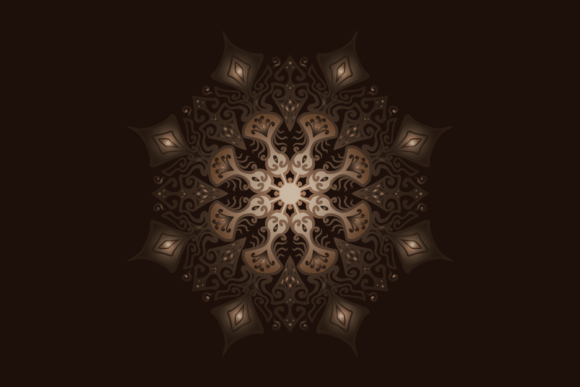
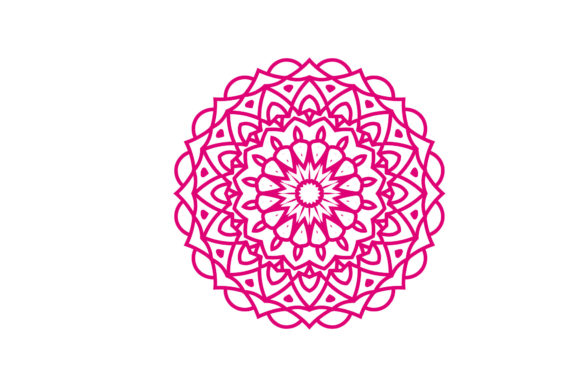
At its core, a mandala is a complex arrangement of shapes, usually circles, that radiates from a center point. However, the Decorative Round Mandala Elements provided in this collection go a step further. They possess a distinct personality characterized by balance and harmony. Visually, these elements are intricate, featuring layers of petals, geometric borders, and delicate line work that draws the eye inward. This creates a sense of completeness and focus.
The appeal of these specific elements lies in their versatility. They are neither too chaotic nor too rigid. They strike a balance that works across various aesthetic preferences. Whether you are aiming for a bohemian, spiritual, luxurious, or even a modern geometric style, these designs adapt. The visual texture they provide adds depth to flat designs, making them feel more tactile and premium. When you incorporate these into a layout, you are instantly elevating the perceived value of the project because of the time and skill obviously required to create such intricate vectors.
Strategic Applications for Digital and Print Assets
Understanding where to deploy these Decorative Round Mandala Elements is key to maximizing their impact. These are not just "pretty pictures"; they are functional design assets that solve specific visual problems.
Digital Ecosystems and Brand Identity
In the realm of web design and social media graphics, attention is currency. A well-placed mandala element can act as a focal point for a landing page or a striking background for an Instagram quote. Because the files are delivered in vector formats (AI, EPS, SVG), they scale infinitely without losing quality. This means you can use a small version as a favicon or a massive version as a website hero background, maintaining crisp lines in both instances.
For brand identity, these elements work exceptionally well for businesses in the wellness, beauty, jewelry, or creative industries. Imagine a yoga studio logo that uses a simplified mandala as its icon, or a high-end chocolate brand using the pattern for its packaging. The symmetry conveys trust and stability, while the intricacy suggests luxury and care.
Editorial and Packaging Design
If you are working in editorial design, such as magazine layouts or book covers, these elements serve as excellent chapter dividers or decorative borders. They break up the monotony of text-heavy pages, providing a visual resting place for the reader. In packaging design, the round nature of the mandala fits perfectly on circular labels, box lids, or wax seals. It frames text beautifully, allowing a product name to sit in the center of the design, literally and metaphorically held in place by the decorative border.
Visual Hierarchy and Audience Engagement
Every design choice influences how a message is received. Using Decorative Round Mandala Elements has a profound effect on visual hierarchy. Because of their density and detail, they naturally command attention. You can use them to anchor a composition, drawing the viewer's eye to a specific area of the canvas. This is crucial for brand recognition.
When a customer sees a consistent use of these mandala elements across your packaging, website, and social feeds, it builds a cohesive visual language. This consistency is the bedrock of professionalism. It signals that the brand is established and thoughtful. Furthermore, the organic, circular nature of the design encourages a feeling of community and wholeness, which can increase audience engagement. People are naturally drawn to patterns that feel complete and balanced.
Practical Workflow and File Integration
Receiving a package with multiple file formats is a massive time-saver, but knowing how to use them ensures a smooth workflow. The provided ZIP file contains 1920px x 1280px canvas sizes, which is a standard 3:2 aspect ratio, ideal for many digital displays and print layouts.
- AI and EPS Files: These are your workhorses for professional printing and advanced editing. If you are using Adobe Illustrator, these formats allow you to ungroup the elements, change individual colors, resize specific parts of the pattern, or combine different mandalas to create a custom border. This is where the "easy to edit" promise truly shines.
- SVG Files: For the web developer or app designer, the SVG is gold. It is lightweight and infinitely scalable. You can easily integrate these into CSS or use them as interactive elements on a webpage where they might rotate or change color on hover.
- JPG and PNG Files: These are for quick use. The PNG is particularly useful if you need to place the mandala over a textured background or a photograph, as the transparency (if provided) or the clean white background allows for easy layering. The JPG is perfect for immediate social media posting or mood boards.
Evaluating Fit and Best Practices
While these elements are incredibly versatile, they require a thoughtful approach to typography. Because Decorative Round Mandala Elements are visually complex, they pair best with cleaner typefaces. Avoid using overly detailed script fonts or handwritten fonts directly on top of a busy mandala, as this will cause visual clutter and hurt readability.
Instead, consider the following pairing strategies:
- The Modern Contrast: Use a bold, geometric sans serif font for your headlines. The clean, straight lines of the text will contrast beautifully with the organic curves of the mandala, making both elements pop.
- The Elegant Harmony: If you are going for a luxury look, pair the mandala with a high-contrast serif font. The small details in the serifs echo the intricate details of the mandala without competing for dominance.
- Color Strategy: Don't feel limited to black and white. These vector elements can take on any color. Consider using a monochromatic palette—different shades of the same hue—to create a sophisticated, layered look that feels unified.
When evaluating if this asset fits your project, look at the complexity of your existing content. If your brand is ultra-minimalist, a heavy mandala might feel out of place. However, if you are looking to add warmth, texture, and a human touch to your digital presence, these elements are exactly what you need. They bridge the gap between the cold precision of digital tools and the warmth of hand-drawn art.
Ultimately, Decorative Round Mandala Elements