Decorative Stained Glass in Marine Style: A Designer’s Guide
There is a specific type of visual magic found in the way light filters through colored glass, particularly when that glass tells a story of the ocean. Translating that texture and depth into modern typography is the core challenge of a premium font like Decorative Stained Glass in Marine Style. This is not just a typeface; it is a design asset that carries the weight of art history and the fluidity of the sea. For graphic designers, brand strategists, and content creators, understanding how to harness this complex visual style can elevate a project from standard to unforgettable.
The Visual Soul of the Marine Style
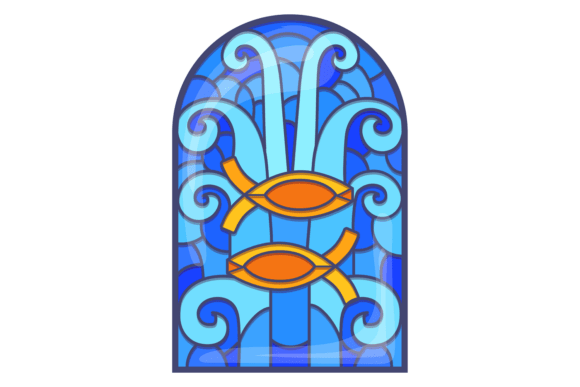
When we talk about the aesthetic of Decorative Stained Glass in Marine Style, we are discussing a highly specific visual language. It mimics the traditional leading found in stained glass windows—the dark, soldered lines that hold the colored pieces together—combined with imagery inspired by the deep blue. You will often see glyphs featuring waves, anchors, or abstract bubbles, all rendered with a distinct "cut glass" effect. The personality is bold, textured, and undeniably vintage.
Unlike a clean sans serif font or a standard serif font, this style prioritizes artistic expression over minimalism. It has a heavy visual footprint, making it a true display font. It demands attention. The "marine" aspect usually implies a palette suggestion of teals, deep blues, and sandy golds, though the font itself is often designed to be filled with color gradients or images. It bridges the gap between script font fluidity and the structural rigidity of mosaic art.
Strategic Applications for Branding and Marketing
One of the most common mistakes in logo design is using a complex decorative font for the primary wordmark where legibility at small sizes is crucial. However, Decorative Stained Glass in Marine Style shines when used as a supporting element. Think of it as the architectural frame for your brand identity. It is excellent for:
- Packaging Design: For craft beers, seafood restaurants, or artisanal soaps, this font creates an immediate sense of heritage and quality. It suggests that the product inside is crafted with care.
- Editorial Design: In magazines or book covers, particularly for genres like historical fiction, mystery, or coastal travel guides, this typeface sets the mood instantly.
- Event Branding: Weddings with a nautical theme or gala invitations benefit from the elegance and formality of the stained glass aesthetic.
For digital use, such as social media graphics or website hero sections, the font works best as a static header. Imagine a landing page for a luxury yacht rental service using this typeface for the headline "Explore the Coast." The textured, handwritten font feel (albeit structured) breaks the monotony of standard web typography, creating a focal point that encourages user engagement.
Pairing and Hierarchy
Because Decorative Stained Glass in Marine Style is so visually dense, it requires a "quiet" partner. You cannot pair a complex display font with another expressive typeface without creating chaos. The best approach is contrast.
If you are working on a brand identity system, pair this marine style with a highly legible, geometric modern typography sans-serif for body copy. The clean lines of the sans-serif will act as a visual resting place for the eye, allowing the decorative headings to pop without overwhelming the reader. This balance is essential for readability and maintaining a professional hierarchy.
Practical Implementation and Asset Management
When purchasing this as a commercial font, you often receive more than just the standard TTF or OTF files. As noted in the asset description, high-quality versions of this style often come with complementary graphic elements—Ocean picture isolated on white background in formats like EPS, JPG, SVG, transparent PNG. This is a massive value-add for designers.
Using these vector SVG or EPS files allows you to create seamless patterns or background textures that match the typography perfectly. For example, if you are designing a menu for a seaside bistro, you can use the transparent PNG waves to create a border that matches the font's leading style. This consistency is what separates amateur designs from professional creative font implementations.
Testing for Fit
Before committing to Decorative Stained Glass in Marine Style for a large campaign, run a "squint test." View your design at a small size or from a distance. Does the text remain readable, or does it turn into a dark blob? If the latter, you may need to increase letter spacing (tracking) or use the font only for short, punchy headlines rather than sub-headers.
Also, consider the medium. This style translates beautifully to print, especially on textured paper stocks where the "grain" of the font can mimic the texture of the paper. On digital screens, ensure the resolution is high enough to render the fine details of the "glass leading" effect. Low-resolution screens can muddy these intricate details, reducing the impact of your design assets.
Conclusion: Crafting a Timeless Atmosphere
Ultimately, Decorative Stained Glass in Marine Style is more than just a creative font; it is a tool for storytelling. It speaks of the ocean, of craftsmanship, and of a certain timeless elegance. Whether you are a small business owner looking to differentiate your coastal brand or a publisher seeking a unique look for a book cover, this typeface offers a rich visual vocabulary. By respecting its complexity, pairing it wisely with clean type, and utilizing the accompanying graphic assets, you can create designs that feel both deeply artistic and commercially viable.